








By Amely Greeven
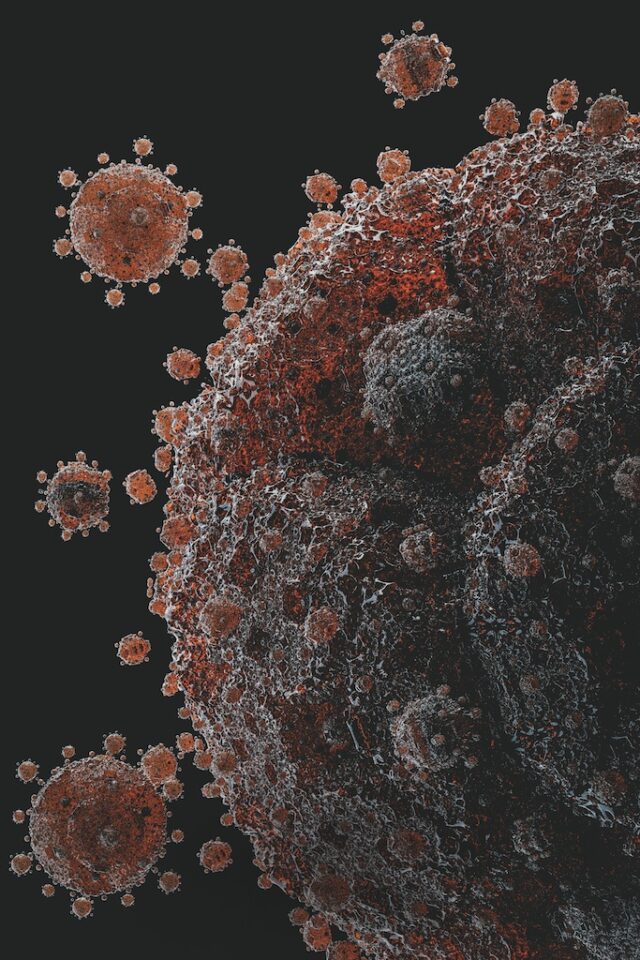
Countless people are locked in a second COVID pandemic: a silent one caused by the after-effects of repeat or virulent infections, vaccines, or a combination of all. Unresolved spike protein—one of the protrusions around the SARS-Co-V-2 virus that give it the crownlike appearance and that facilitates viral entry into the cells—can create havoc across a wide array of body systems. Whether named Long COVID or post-COVID or post-vaccine conditions, the havoc caused when the body can’t clear spike protein can be utterly debilitating. Persistent fatigue, brain fog, shortness of breath and difficulty exercising, endothelial (blood vessel) and cardiovascular issues, GI issues, sudden-onset or rare autoimmune issues, neurodegenerative issues, cancer and more—about 200 symptoms and conditions have been linked as possible signs of this disease.
One of the primary mechanisms at play is endothelial injury. Think of your capillaries as tiny irrigation channels running oxygen and nutrients to every cell in the body. Spike protein can lodge in them, and that’s when the trouble starts. The spike protein, now widely understood to have been modified by human intervention, appears to activate a unique type of clotting cascade at the capillary level that can reduce oxygen flow to cells, tissues and organs, driving fatigue, hypoxia and cognitive dysfunction. Along with high levels of oxidative stress from chronic inflammation, this contributes to dysfunction of the mitochondria, the source of energy in our bodies, while immune dysregulation (such as mast cell activation syndrome or MCAS), as well as nervous system issues like POTS, heart palpitations and dizziness, can also run rampant, creating a storm of symptoms and illness.
“This virus does not behave like a normal virus,” said Dr. Robin Rose, a gastroenterologist and founder of Terrain Health, who is at the front of the wave of precision post-COVID treatment. She described her treatment approach on the Optimization Academy podcast, explaining how the spike protein magnetizes to healthy cells and turns them senescent—into a kind of zombie cell, still metabolically active but now spewing inflammatory cytokines and toxins instead of doing its job. These compromised, permanently retired cells challenge epigenetics, age people faster and create diseases at much younger ages than before. Living with spike protein accumulating in the body can be a major problem—one that for many people, left to piece together treatments largely on their own, has been acutely lacking in solutions. With so many variables, including personal genetics, preexisting conditions and toxic load, and differing routes of exposure to the spike (COVID-19 or the COVID vaccine), the one thing that’s sure is that one-size-fits-all medicine does not suffice here.
While some find symptom relief on detox programs or enzyme protocols such as nattokinase and bromelain (likely because the enzymes help to break up the fibrous microclots, which resist conventional blood-clot treatment, plus help with inflammation), others do not. The enzymes can’t clear spike protein bound up in tissues, which is where most of it takes up residence. (Some experts are also concerned the enzymes might create fragments of spike that could contribute to more clotting factors.) Some neurological symptoms are improved by nicotine, in some people. Ivermectin has helped some to clear spike protein levels, but doesn’t seem to work for all. And strategic fasting plus supplement stacks that include NAC, especially a modified version called Augmented NAC produced in Europe, has helped other people make progress by promoting cellular autophagy, which clears damaged cells and proteins while also decreasing inflammation. (Fasting can also prove too aggressive for some, however, like those struggling with dysautonomia where regular nutrition is critical.)
Yet plenty more people live with persistent and life-altering issues, which are exacerbated by ignorance of spike protein pathology in the mainstream and the fact that one-stop-shop diagnostic testing doesn’t exist. The spike protein antibody test, which is the most widely available test, can be a good first clue in detecting if the spike is present, as a factor in initiating certain autoimmune issues and illness or making them more severe. Comprehensive blood work looking at a range of factors is required to get the full picture.
Fortunately, evolving strategies that center personalized medicine are being tested and shared, pushing progress along. Dr. Jeffrey Morrison, medical director of integrative clinics The Morrison Center and Hamptons BioMed, says that reducing spike protein and repairing the damage that causes symptoms and disease involves a “full-court press” approach, starting with blood work to find patterns unique to each person and then beginning treatment at the level of the gut. He credits Rose for illuminating how the virus hijacks bacteria in the gut microbiome—turning them, in effect, into double agents: Organisms that were once working for your health now producing toxin-like peptides, many of them neurotoxic, while ravaging the gut lining and even generating new spike protein. Clearing these bad players and restoring gut barrier health is the “ground zero” before moving on to systemic detoxification to treat the senescent cells that harbor spike protein. In this systemic phase, a mixture of medications including antibiotics and Vedicinals, advanced plant-based nutraceuticals, and senolytic supplements, or tissue-repairing vitamins designed to clear out those “zombie” cells, can be used for a consistent six-month protocol. In her interview, Rose offered a ray of hope: she said 80 percent of her patients get better. However, the editor of Purist, Cristina Cuomo, did two extensive rounds of this complete gut reset protocol only to find her spike protein levels hadn’t budged. Rose suggested the possibility of a reinfection of COVID that went undetected that could account for the flatlining spike protein numbers.
Morrison employs more advanced treatments like intravenous drips and sometimes newer blood-cleansing protocols like EBOO—extracorporeal blood oxygenation and ozonation—where blood is filtered of its toxins, inflammatory proteins and pathogens. These guidelines are carefully tailored so as not to overwhelm bodies that are in distress already. Some practitioners are also using peptide therapy to help to restore inflammatory balance or mitochondrial function. Ongoing maintenance of mitochondrial and immune health through wise lifestyle choices and precision supplements or therapeutics can help to maintain the benefits achieved.
At his clinics, Morrison is seeing promising improvements. And as more specialized testing becomes available—including some precise, research-based tests that Rose offers to anyone seeking an at-home spike protein test at ourwellnessjourney.us: Doctors will be able to detect what exactly is happening for each patient, detecting where the spike protein is causing issues in the body and where it came from, then shape treatment to match. The distinctions matter, because research suggests the vaccine spike protein effects are more enduring and harder to clear, due to higher binding affinity to cell receptors.
Yet precision treatments, as important as they are, are still in infancy stages, especially in combination with new-onset diseases or issues never experienced before. And nobody can promise they will erase the spike protein, which is shockingly resilient and may be impossible to ever clear. The new normal is that many of us—if not all—are living with aftereffects of exposure. What’s needed is more awareness and conversation, more doctors sharing new strategies, and more basic tools of action. Says naturopath Dr. Linda Lancaster, who helps her patients manage spike protein-derived conditions with a gamut of natural protocols, including homeopathics and cleansing programs, “There isn’t an ‘over’ with COVID-19; we are still dealing with it. It’s wise for everyone to make regular detoxification part of their lifestyle, symptomatic or not, along with living as clean and natural as possible, because there is no making it fully go away.
Explore more in Wellness at The Purist.
Never miss an issue—join The Purist community.