








By Ray Rogers
Nathan Orsman learned the first lesson of his trade at the dinner table. His mother, he writes in the opening pages of Light, believed a good party needed background music, interesting people and thoughtful lighting. Orsman, who gave Marc Jacobs’ house what Jacobs calls its “amber mood,” has built a career on that last element, often by arguing for less light.
“People often confuse good lighting with having enough light everywhere,” he says. “Anyone can make a room bright. The real skill is understanding how to control light and, just as importantly, how to manage darkness.” In a restaurant that feels just right, he adds, someone has usually let certain things glow while others recede. “Shadow is one of the most beautiful materials we have to work with.”
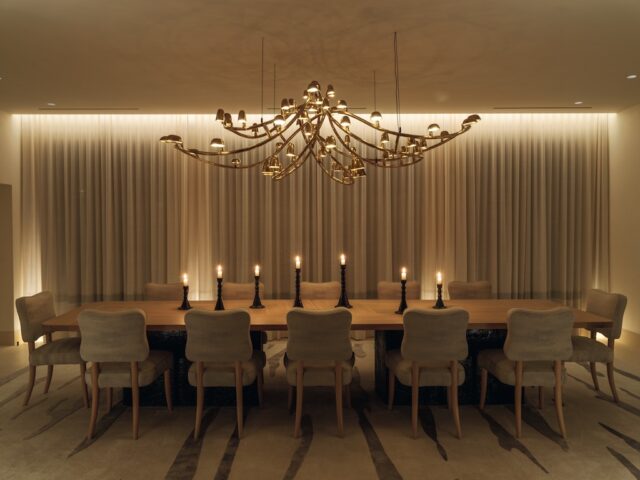
During a stay at a friend’s château in France, he was so taken with one room that he started counting its light sources. There were about 18, none of them very bright, but together they created a romantic atmosphere no single fixture could. His advice for the long winter nights ahead stems from that visit: “more sources at a lower intensity”—from table lamps to candles and votives. In one dining room in the book, a brass chandelier draws the eye, but “it’s the candles that really bring the room to life.”
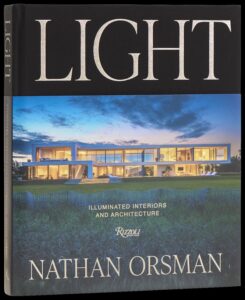
Outdoors on the East End, where he has an office in Southampton, he keeps light levels low and shields every fixture so no light spills into neighboring yards or the night sky. He doesn’t want to see the whole landscape lit, just a single tree, a path or light shimmering on the water. “The beauty of light,” he says, “comes from the fact that it isn’t everywhere.” orsmandesign.com
Explore more in Architecture at The Purist.
Never miss an issue—join The Purist community.