








By Shivani Vora
From onsen hot springs soaks to forest bathing, Japan has a long tradition of wellness practices, honed and refined over centuries. Its mountain slopes, meanwhile, offer exhilarating ski experiences. Now’s the time to explore Kyoto, where the city’s most luxurious hotels place rejuvenation at the forefront with exceptional spas. Up north, Niseko pairs some of the world’s best powder for skiing with amenitized-to-the-hilt five-star resorts.
The cinematic city of Kyoto delivers a sensory feast of temples, bamboo groves, imperial palaces and geisha culture—but packed streets and long days of sightseeing can take their toll. Enter the subterranean spas at three of the city’s best hotels, a labyrinth of onsens, treatment rooms, saunas and relaxation lounges designed for retreating from it all.
Built on a historic site that is over 250 years old, the Hotel The Mitsui Kyoto (hotelthemitsui.com), once home to the executive branch of the Mitsui family, makes water the centerpiece of its wellness experience with a thermal spring spa fed by natural hot springs drawn from beneath the property. The showpiece of the space is a communal onsen with thermal spring pools set among boulders. Treatments are rooted in Japanese traditions and practices. Kumano dry brush drainage therapy uses bristles handmade by artisans in Kumano for exfoliating the skin and stimulating circulation. The hotel has also launched a collaboration with Mikimoto Beauty, the new skincare brand from Mikimoto Pharmaceutical, and the legendary pearl house Mikimoto. Facials take inspiration from water, the sea and pearls, while body therapies draw on anma massage, shiatsu and yuragi techniques.
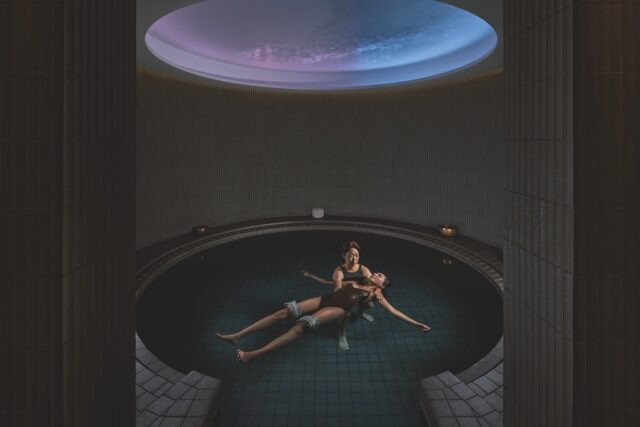
At Six Senses Kyoto (sixsenses.com), ancient Zen philosophy is woven with a tech-forward approach. The wellness screening, an analysis of health biomarkers that practitioners use to recommend treatments tailored to your needs, is a must. Other highlights include the Kyoto-exclusive Ah-un ritual, combining body and sound therapies, and Watsu, which takes place in the city’s only dedicated pool for the aquatic treatment.
For a 21st-century counterpoint to ancient tradition, head to the Biohack Recovery Lounge to revive tired muscles. The Sleep Hack treatment combines compression therapy, a red-light face mask and meditative yoga nidra. Guests can also play apothecary at the Alchemy Bar, creating beauty scrubs with ingredients that change according to Japan’s 24 micro-seasons.
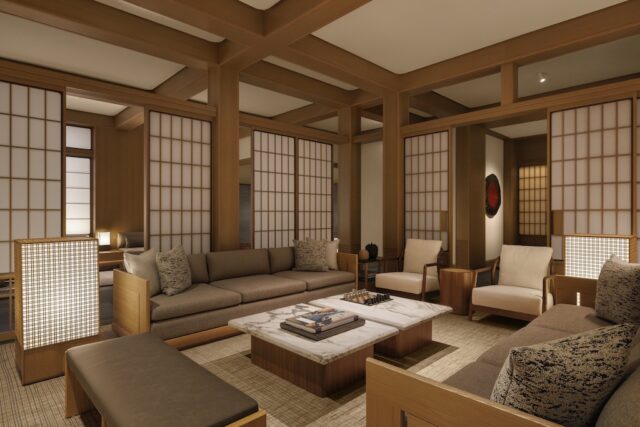
The subterranean Auriga Spa at Capella Kyoto (capellahotels.com) is as impressive as the hotel itself. Serene sand-colored interiors set a soothing tone; three private onsens are the standout. Inspired by Japan’s 1,300-year-old bathing tradition, each offers a meditative escape from the city—guests can also request fruit smoothies and fresh juices and make a proper half-day of it. Enjoy spa treatments created in collaboration with The Ginza, Shiseido’s prestige skincare brand, along with rituals inspired by the lunar cycle. The Full Moon treatment, for example, combines body and scalp massage with chakra balancing centered on the head, heart and hara—the Japanese term for “belly” but which can also mean the body’s physical and energetic core.
In Niseko, wellness takes to the mountains. Located on Japan’s northern island of Hokkaido, about a two-hour flight from Kyoto, Niseko United is a skier’s paradise, which typically averages 475 to 590 inches of snow every winter. The region encompasses four interconnected resorts across Mount Annupuri, with 2,191 acres of terrain, 61 pistes and 29 lifts, including gondolas and high-speed chairs. Adventurers can night-ski on floodlit runs.
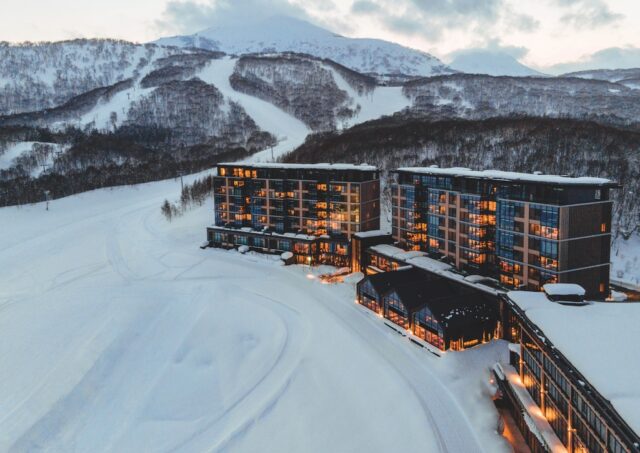
Three hotels, each in a different part of Niseko United, feature ski-in/ski-out access. Muwa Niseko (muwaniseko.com) is the new kid on the ski resort block. Its prime location at the base of Grand Hirafu ski resort next to the Hirafu gondola puts it right on the slopes. Its 113 spacious guest rooms marry traditional Japanese and sleek contemporary design. A handful of rooms put slopeside access at your door, and several others feature open-air rotenburo baths. To refuel, Hito by Tacubo serves Italian cuisine showcasing seasonal Hokkaido produce and meats, while Sukiyaki Hiyama, a Tokyo mainstay since 1935, specializes in Kuroge Washu wagyu, Hokkaido vegetables and locally made tofu. After a day on the slopes, the Infinity Onsen is practically mandatory. Billed as Niseko’s highest onsen, it’s the place to savor a restorative soak while taking in the panoramic views of Mount Yotei.
The first upscale hotel brand in the region, Park Hyatt Niseko Hanazono (hyatt.com), with its modernist glass facade, sits at the base of Hanazono Resort, surrounded by forest. Expect all the amenities of a five-star stay: ski-in/ski-out access, a ski valet, onsen hot spring baths and a couples spa with individual onsens.
In a country where small hotel rooms are the norm, the king accommodations here start at a generous 700 square feet. For dining, indulgent or clean, take your pick from more than a half-dozen venues. At China Kitchen, the chefs create custom menus with a light touch on traditional Cantonese dishes. At Robata, grill masters cook seafood and local produce over charcoal.
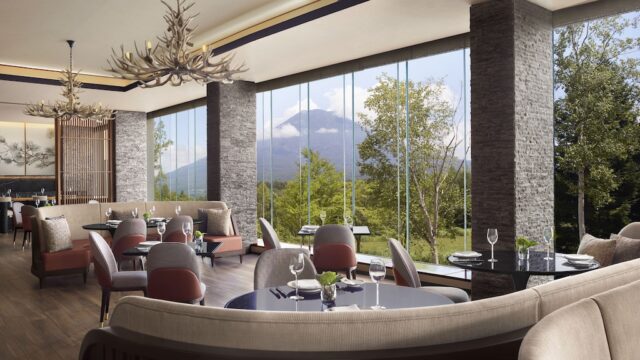
The debut of Higashiyama Niseko Village in December 2020 marked Japan’s first Ritz-Carlton Reserve (ritzcarlton.com). Perks for skiers include specialized mountain guides known as Higashiyama Reservists. The 50 rooms are blanketed in serene muted tones and feature sitting areas and oversized windows that bring in views of Mount Yotei or Niseko Annupuri. Among its three dining concepts, Yukibana’s menu offers healthy and satisfying dishes made with farm-to-table ingredients. Sushi Nagi’s omakase-style dining makes for an elevated cap-off to an active day.
Explore more in Mindful Travel at The Purist.
Never miss an issue—join The Purist community.