









By Valeria Talve
At 33, breast cancer was nowhere on my radar.
I was young, healthy, active and a mother of two young boys. I had just started teaching my own workout class, something that brought me so much joy and made me feel strong and connected to my body. The Fitizens, the community I had created out East, was growing into this vibrant village of women centered around movement, wellness and genuine connection. Life felt full. Things were looking bright.
And then, in June 2024, everything changed. On June 14, I went for a mammogram and sonogram. Three days later, I had a biopsy. On June 21, I was diagnosed with breast cancer.
Within weeks, I went from teaching movement and raising my boys to learning an entirely new language: invasive ductal carcinoma, estrogen receptors, HER2, chemotherapy, genetics, lymph nodes, radiation and recurrence risk.
Genetic testing revealed that I carry a PALB2 mutation. Before my diagnosis, I knew about BRCA1 and BRCA2 (an abbreviation for BReast CAncer genes 1 and 2), but I had never even heard of PALB2. Suddenly, genetics wasn’t an abstract conversation about family history. It was my life, my treatment and something that could have implications for my family.
I started chemotherapy in July 2024 and underwent a double mastectomy that November. During surgery, we learned that five of the 21 lymph nodes removed contained cancer. What I had once imagined might end with surgery became a much longer journey—radiation, reconstruction and continued treatment and surveillance.
Two of the physicians who have been central to that journey are my breast surgeon, Dr. Lisa Newman, and my medical oncologist, Dr. Tessa Cigler. They have cared for me through different chapters of my experience, and together they represent something I have come to understand deeply: Breast cancer care isn’t one moment, one surgery or one doctor. It is a continuum. It is science and surgery, genetics and prevention, treatment and survivorship—but it is also about the woman living through all of it.
Today, I can teach a workout class, raise my boys, build community, laugh with friends and look healthy on the outside while still being a patient. Treatment remains part of my life. So does the awareness that comes with having experienced cancer at such a young age.
That is why I wanted to have this conversation.
There was so much I didn’t know until suddenly I had to know it. What does breast cancer risk look like for younger women? When should we think about genetic testing beyond BRCA? What does lymph node involvement really mean? Why doesn’t treatment necessarily end after surgery? And how do we continue living fully while treatment and surveillance remain part of our lives?
Newman and Cigler approach these questions from two distinct but complementary perspectives: Newman through younger women and risk, hereditary breast cancer, genetic testing and surgical care; and Cigler through ongoing treatment, recurrence-risk reduction, quality of life, survivorship and movement.
My hope in sharing my story is not to create fear. It is to create awareness.
Know your body. Know your family history. Get the screenings that are appropriate for you. Ask questions. If something doesn’t feel right, speak up. And understand that genetic risk extends beyond the genes we hear about most often.
Most importantly, advocate for yourself.
I never imagined I would need to know any of this at 33. But if sharing what I have learned—alongside the expertise of the doctors who have helped guide me through it—encourages even one woman to ask a question earlier, pay closer attention to her body or better understand her own risk, then telling my story has purpose.
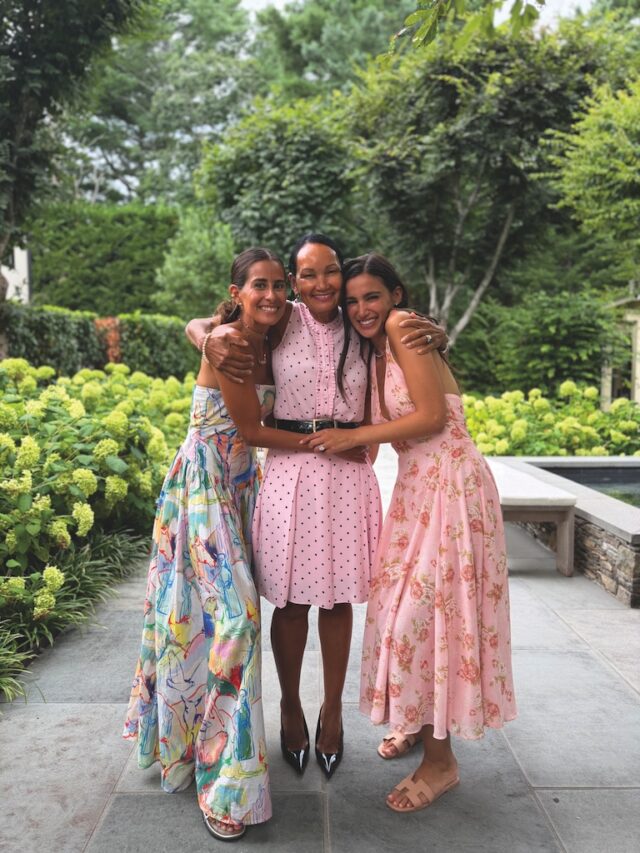
Breast Cancer, Genetics and What Women Need to Know Earlier
Valeria Talve in conversation with Dr. Lisa Newman and Dr. Tessa Cigler
VALERIA TALVE: I was diagnosed at 33 and felt completely healthy. What do you want younger women to understand about breast cancer risk?
DR. LISA NEWMAN: For reasons we do not yet understand, breast cancer incidence is rising in young women. We do not typically initiate screening mammography until women reach age 40, so it’s extremely important for younger women to be aware of the potential danger signs of breast cancer—a new lump in the breast, a new lump in the underarm, bloody nipple discharge, or changes in the skin appearance of the breast such as swelling, redness or a rash, especially a rash near the nipple. All of these symptoms can also be caused by benign, noncancerous problems, so women shouldn’t panic if they develop—but they should prompt a woman to seek medical attention promptly.
For women old enough to undergo routine mammography screening, it’s important to remember that mammograms aren’t perfect, so any danger signs still need to be evaluated by a breast specialist even if the mammogram is normal.
Before my diagnosis, I knew about BRCA but had never heard of PALB2. What should women understand about hereditary breast cancer beyond BRCA?
LN: Genetic testing for inherited predisposition to breast cancer has advanced dramatically since the BRCA genes were first sequenced more than 20 years ago. We can now test for hereditary syndromes associated with colon cancer, melanoma and even thyroid cancer, in addition to breast and ovarian cancer. It’s helpful for women to know their complete family history across a variety of cancers, since that history can influence the type and extent of genetic testing recommended, and whether a woman is a candidate for supplemental or enhanced breast cancer screening—starting mammograms at a younger age, whole-breast ultrasound and/or breast MRI. Developing breast cancer at a young age is itself a hallmark of hereditary susceptibility, and any premenopausal woman with a new diagnosis of breast cancer should automatically be referred for genetic testing.
During my double mastectomy, five of the 21 lymph nodes removed contained cancer. What does lymph node involvement tell you about a breast cancer diagnosis?
LN: For any breast cancer, regardless of its size or microscopic pattern, the cancer cells we worry about most are the ones that have likely already escaped the breast before diagnosis, traveling directly into the bloodstream. From there they can reach other organs—the liver, lungs, bones. These microscopic cells are too small to cause symptoms and are invisible on tests like CT or even PET-CT scans, but left untreated, they’re what can eventually progress into metastatic breast cancer—cancer that has formed lumps visible on imaging. Fortunately, we now have effective medical treatments that can eliminate those microscopic cells before they get the chance.
Providing the optimal treatment for each individual patient is essential. The original biopsy characteristics—estrogen receptor, progesterone receptor, HER2/neu—provide important clues about which medical therapies will work, but lymph node involvement adds more: Its presence and extent often shape the chemotherapy regimen, and help determine how much lymph node surgery or radiation is needed to minimize the risk of the cancer recurring in the underarm or chest wall.
When treating a young woman surgically, how do you account for her life beyond the operating room—including reconstruction, body image and long-term physical function?
LN: It’s critical to account for every priority and perspective of each individual woman diagnosed with breast cancer, and these issues are especially complex in a young woman. Some are rooted in body image, others relate to breast function for nursing after pregnancy following treatment; still others come down to a woman’s willingness to commit to lifelong intensive imaging and surveillance versus a more extensive surgery, like bilateral mastectomy, to lower her odds of facing another diagnosis. It’s not easy to sort through these perspectives, but fortunately, women don’t need to decide immediately after a diagnosis. We don’t want to see treatment delayed beyond four to six weeks, but taking time to gather information about the best plan isn’t dangerous.
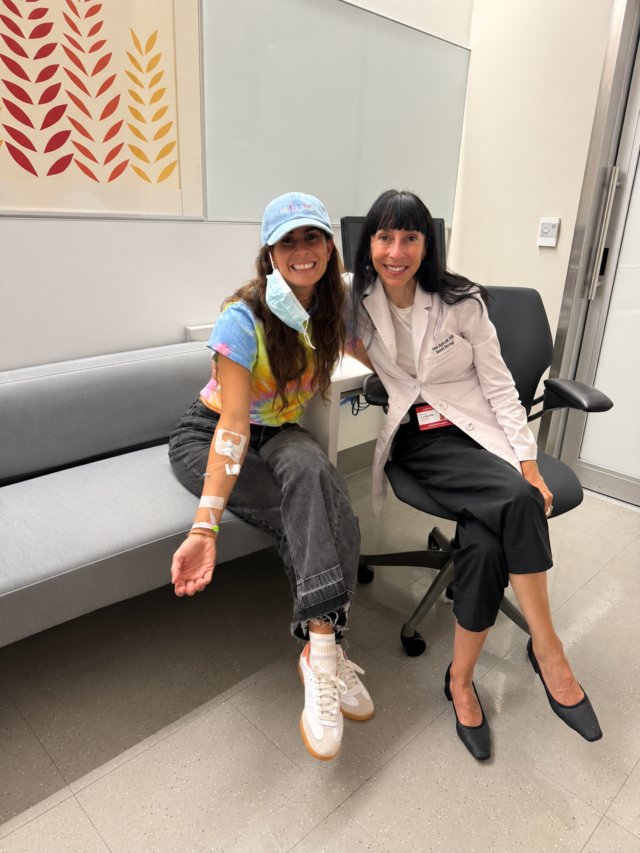
VALERIA TALVE: Dr. Cigler, I thought my double mastectomy would be the finish line, but my care continued long after surgery. Why is breast cancer treatment often a continuum of care?
DR. TESSA CIGLER: The management of early-stage breast cancer is a multidisciplinary process, including care by surgeons, radiation oncologists and medical oncologists. Surgery and radiation work to eliminate the visible cancer, and medical oncologists prescribe systemic therapy to reduce the chances that the breast cancer will return. Systemic therapy options can include chemotherapy, immunotherapy, antibody therapy and antiestrogen therapy, and the recommended program depends on the details of the cancer.
For younger women who may remain on treatment for years, how do you balance reducing recurrence risk with quality of life?
TC: Breast cancer treatment is highly individualized, taking into account the specific characteristics of each woman’s tumor as well as her overall health. And, of course, the benefits of each therapy are carefully weighed against side effects. For the two-thirds of breast cancers that are estrogen receptor positive, antiestrogen therapy taken for up to 10 years is highly effective. Side effects can include weight gain, joint pains, altered libido, decrease in bone density and vaginal dryness. As you can imagine, many of these side effects are particularly difficult for young women. A big part of my job as a medical oncologist is to help manage these side effects. And better therapies are increasingly available. For example, just recently we have two drugs approved specifically for hot flashes, and we are supporting GLP-1 inhibitors for weight gain associated with therapy.
How do you help women live fully while ongoing treatment and surveillance remain part of their lives?
TC: Breast cancer treatment can last for many years. One of the greatest challenges for women following a diagnosis of breast cancer is learning to live fully despite ongoing treatment. And it sometimes takes a village! In addition to symptom management by medical oncology, I often refer patients for physical therapy, acupuncture and other complementary therapies, nutrition counseling, weight management and social work support.
What do you wish people understood about women who may look healthy again, but are still managing treatment and its effects?
TC: For women with early-stage breast cancer, medical therapy is preventive, designed to reduce the risk of breast cancer recurrence and to keep them healthy. These prevention therapies, though, can have many side effects.
Movement has been one of the ways I’ve found my way back to my body. What role can exercise and lifestyle realistically play during treatment and survivorship?
TC: Exercise, a heart-healthy diet, maintaining a good weight and limiting alcohol intake have well-documented benefits for many health issues, including breast cancer risk. While these lifestyle choices can’t replace the benefits of medical therapy, which provides the bulk of the breast cancer risk reduction, I strongly encourage them in addition to therapy to optimize overall health.