








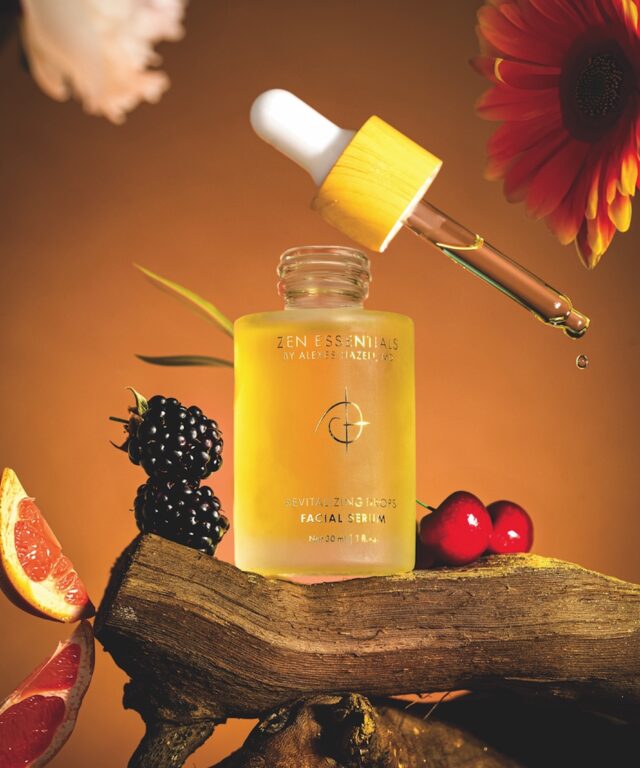
By Ray Rogers
PURIST: How has our medical understanding of skin longevity shifted recently? Are we moving from anti-aging toward a more proactive age-management philosophy?
Dr. Alexes Hazen: We realize that the skin is an organ, and needs more than topical or Band-Aid treatments. The skin, just like any organ, responds to its environment, nutrients and stressors, including generic life stress. It reflects overall health and well-being, and therefore we need preventive medicine for the skin, along with the rest of the body.
Can we actually turn off the genes responsible for collagen degradation through lifestyle and topical interventions?
No, we do not have that ability yet. But we can certainly modulate genes and both upregulate and downregulate, which can influence both collagen degradation—the slowing of that—and the increase in collagen deposition. Retinol, vitamin C, peptides, niacinamide and exosomes can significantly influence the reduction of oxidative stress, which can in turn downregulate collagen breakdown and degradation. Additionally, stress, inflammation and glycation can increase breakdown and damage to collagen.
Skin reflects internal health. Between chronic stress, gut health and sleep, what are the top internal disrupters you see that are prematurely aging patients’ skin and hair?
Top disrupters are what you would suspect: sleep dysregulation, chronic inflammation, chronic stress and poor diet contributing to glucose spiking high in the blood. There are different known mechanisms for each of these as it relates to hair and skin—from disrupting the hair growth cycle to impairing the skin barrier.
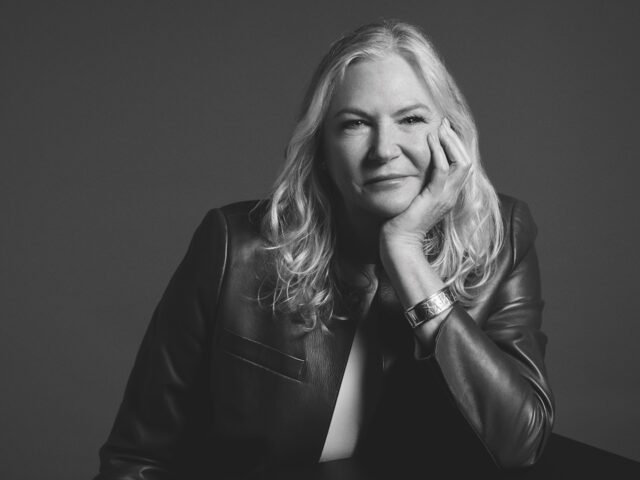
Your practice blends traditional wisdom with cutting-edge technology. How do you decide when a patient needs a high-tech laser versus a traditional lifestyle shift?
The clinical decision filter I use is a simple question: Is the problem a reversible one with lifestyle changes, or is the damage done? In other words, with changes in topical treatments and diet and well-being, can we improve the skin and hair, or is there too much damage and does it require intervention? This answer takes some experience and expertise. Also, one must take into consideration the velocity of change—where there is rapid worsening, often a hormonal or chemical change is the culprit, and that is often reversible.
You are known for a natural aesthetic. What regenerative intervention—like fat grafting or noninvasive techniques—offers the most significant long-term impact on facial longevity?
Fat is a wonderful biologic that improves both volume—faces lose volume as they age—and quality of skin. This has been studied and proven. Used judiciously, it can yield a wonderful and natural result for the long term; fat injected into the face should last forever.
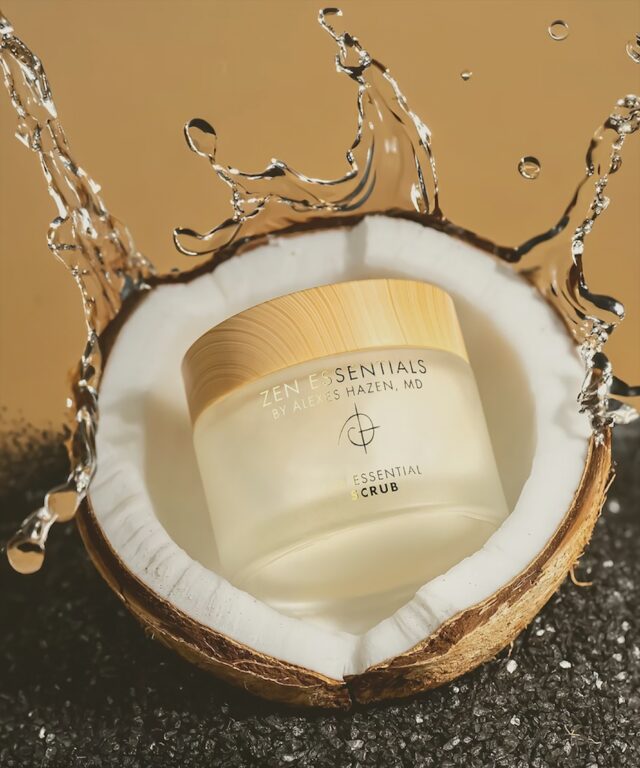
Your line, Zen Essentials, emphasizes protecting the skin barrier rather than simply nourishing it. Why is barrier integrity the holy grail of anti-aging?
As an organ, the skin locks in hydration, prevents toxins and infections from entering our system, helps control inflammation, and regulates healing and repair. As a key regulator of one of our system’s microbiomes, the skin keeps us in proper homeostatis or regulation. Dehydration, stress and poor nutrition can all affect the scalp and hair.
In the next decade, do you believe the focus will stay on fixing features, or will we shift entirely to bioregenerative medicine that heals the skin from within?
We will do both, because both can be an important part of health and the promotion of happy and healthy beings. alexeshazenmd.com