








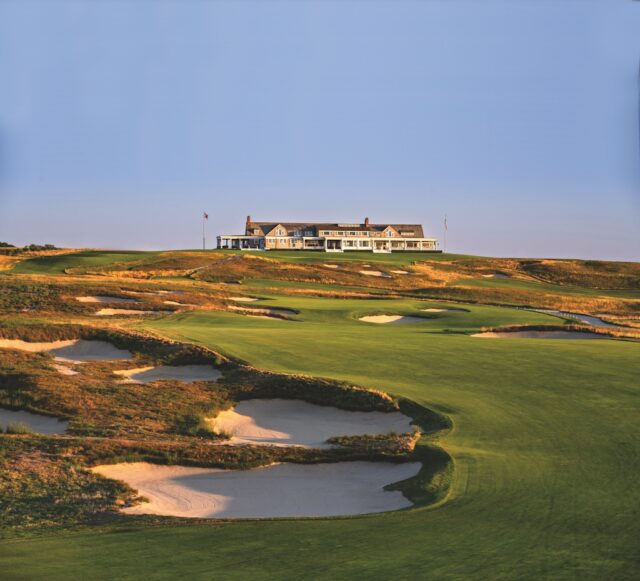
When the wind off Peconic Bay picks up mid-round at Shinnecock Hills Golf Club, players don’t just lose their ball flight; they risk losing their composure. This June, the world’s elite return to Southampton for the 126th U.S. Open at a venue that defines the heritage of American golf. Founded in 1891, Shinnecock is the oldest incorporated golf club in the country and one of the few venues to have hosted the national championship across three different centuries. The last Open here, in 2018, was so brutal that the course’s reputation—and its fescue grass—needed years of careful stewardship before the USGA felt ready to return.
The true test at Shinnecock is learning to perform under physiological stress. Performance coach Josh Nichols, founder of Josh Nichols Golf and host of the podcast “The Mental Golf Show,” has said that “cortisol makes us ‘fall back’ into our basic habits”—and under the glare of a major championship, that hormonal spike is inevitable. The fluid, rhythmic movement a consistent swing requires can unravel not from a lack of skill, but from the body’s own chemistry working against itself.
In 1995, Corey Pavin’s iconic 4-wood on the 72nd hole became a definitive moment of composure under exactly that kind of pressure. Three decades later, as the championship returns to these hills, Scottie Scheffler—the world’s top-ranked player—has described a similar physical reality. Before his first Ryder Cup, he said he was so overcome by nerves that he “literally could not feel my arms.” He didn’t suppress that sensation. He learned from it, and won the Masters the following spring.
To find that essential stillness, elite players rely on the quiet eye—a steady, deliberate gaze before execution that creates a neural buffer against intrusive thought, allowing the subconscious to take over. When it works, the analytical brain quiets and movement becomes automatic. As Dr. Bob Rotella writes in Golf Is Not a Game of Perfect, “The calmer you are and the quieter you keep yourself, the easier it is to play the game.”
When pressure peaks, the fastest path back to baseline is through the breath. Slow, deep exhalations activate the vagus nerve and signal the nervous system to stand down from its fight-or-flight state. Performance coach Dave Alred, author of The Pressure Principle, argues that resilience is not a fixed trait but a trainable one—and that courage, more than talent, tends to separate the best from the rest. The winners at Shinnecock are rarely those who avoid the pressure; they are the ones who learn to breathe through it—and honor the ground they’re standing on.
June 15-21, Shinnecock Hills Golf Club; usopen.com/2026/tickets.html
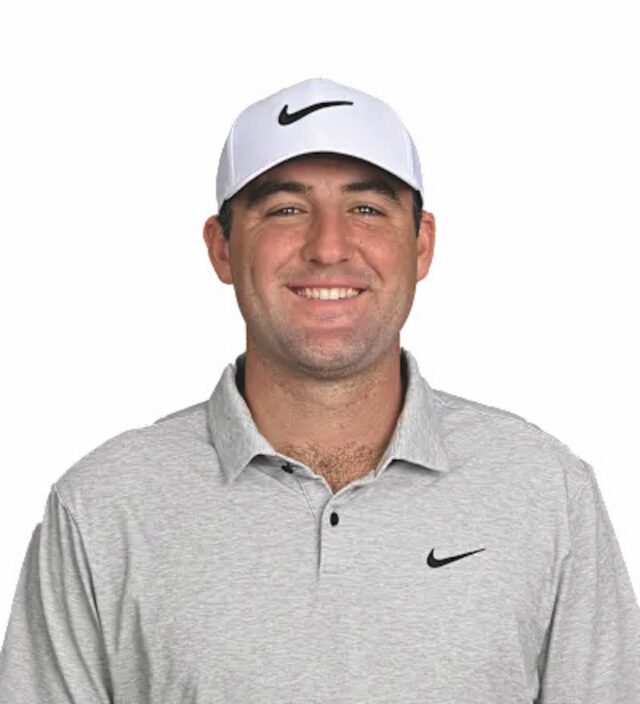
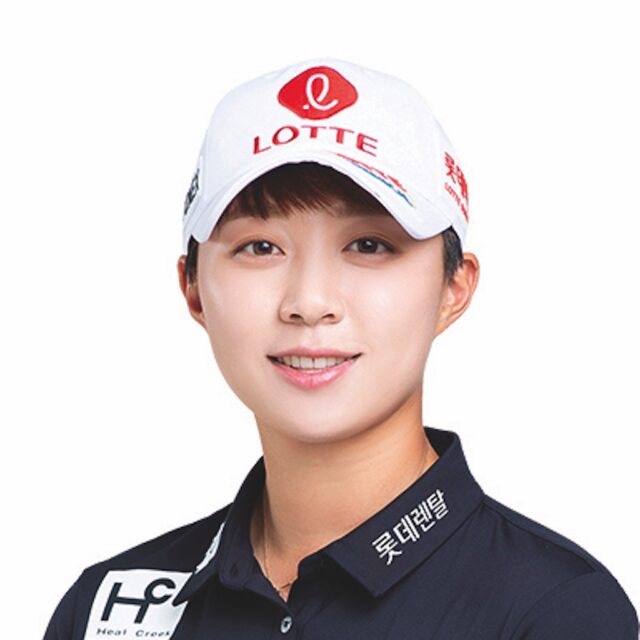
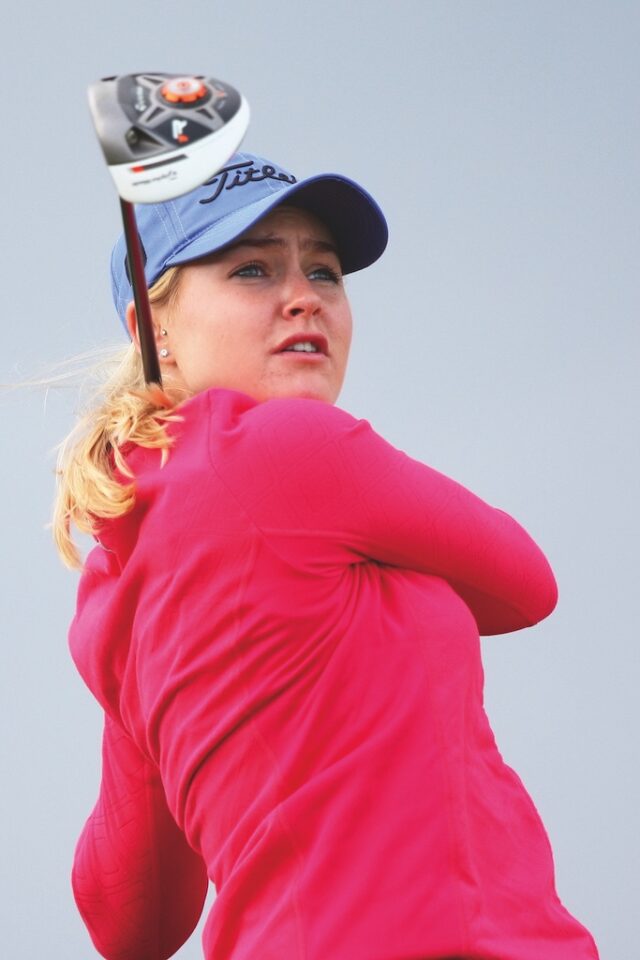
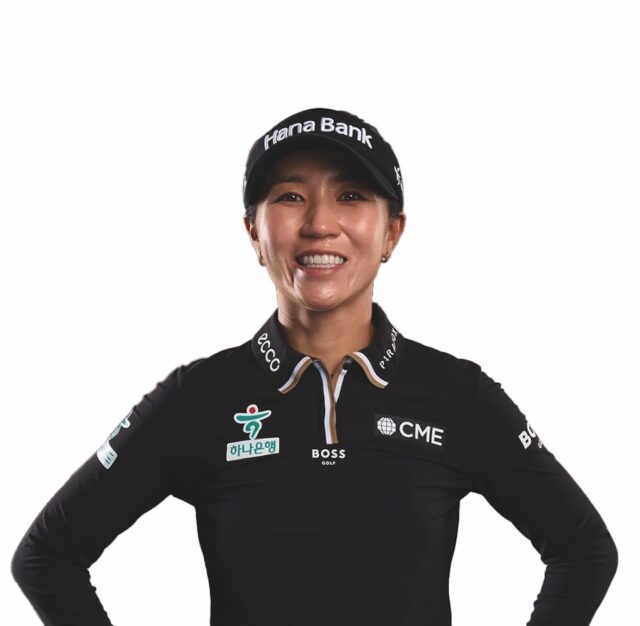
The top-ranked contenders to watch at the 126th U.S. Open Championship at Shinnecock Hills Golf Club (June 15–21)
MEN




WOMEN


Explore more in Hamptons at The Purist.
Never miss an issue—join The Purist community.