








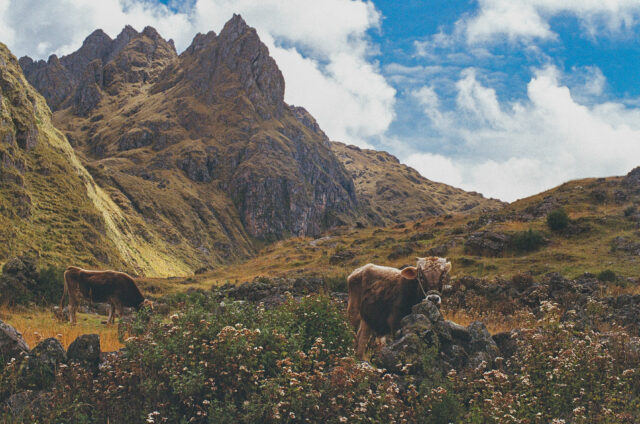
Peru is a place of movement, with ever-changing climates, altitudes, landscapes and ecosystems that shift dramatically from region to region. In a single day, you can frolic about blue glacier-fed lakes and breezy highlands to desert sand dunes and the lush Amazon jungle. Just named a must-visit destination for 2026 by Condé Nast Traveler readers, the country is once again in the global spotlight, and it’s no surprise. Peru is not only home to some of the most extraordinary landscapes in the world, but also to incredibly rich biodiversity, with more than 1,800 species of birds, 500 species of mammals and 300 species of reptiles.
As more and more tourists continue to flock to this beautiful, varied place, the question becomes not just where to stay, but how to travel responsibly and with good conscience. At the forefront of this ecotourism movement is Inkaterra, a climate-positive pioneer in sustainable hospitality since 1975, with seven properties spanning Peru’s most beloved zones: the surfy northern coast, Machu Picchu, Cusco, the Sacred Valley and the Amazon rainforest.
With five Michelin keys, Inkaterra is built on the simple premise that luxury and conservation shouldn’t exist as opposing forces, but rather as mutually enforcing ones. In 2021, it became the world’s first climate-positive hotel brand recognized by the United Nations, offsetting more carbon than it emits across its operations. All its conservation and research efforts are woven into the tourist experience—it helped protect thousands of hectares of rainforest and cloud forest while supporting scientific studies on endemic orchids, butterflies, birds and medicinal plants throughout all of Peru.
Purist set out to experience firsthand what Inkaterra’s approach to ecotourism looks like in a place so culturally and environmentally significant.
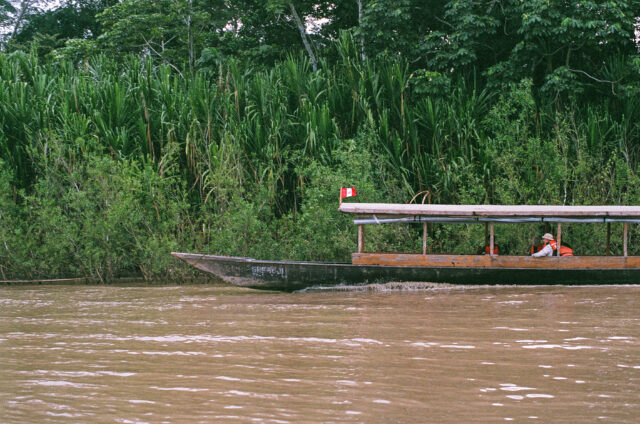
First up on our Inkaterra journey: the Amazon rainforest of southern Peru. Only accessible by boat, a brief 25-minute ride downriver from the city of Puerto Maldonado brought us to our first rustic-chic outpost. Set on a former cacao and rubber plantation deep within the rainforest, we were told to expect no shortage of animal neighbors: capybaras, caimans, river otters, macaws and countless species of monkeys, birds and insects call this protected corner of the Amazon home.
My partner and I arrived wide-eyed, as Amazon first-timers. It was a place that had long been on my travel bucket list, and Inkaterra seemed a perfectly safe spot to land, with plenty of creature comforts to experience this unfamiliar ecosystem.
We were greeted upon arrival by our exuberant explorer guide, Favio—a trilingual Puerto Maldonado native whose enthusiasm for the natural world was impossible to miss. He walked us through all the excursions to come: early morning canoe rides on Lake Sandoval, jungle hikes through the meandering on-site trails and nighttime wildlife excursions by boat where we spotted a giant anteater, black caimans, two-toed sloths and macaws flying overhead.
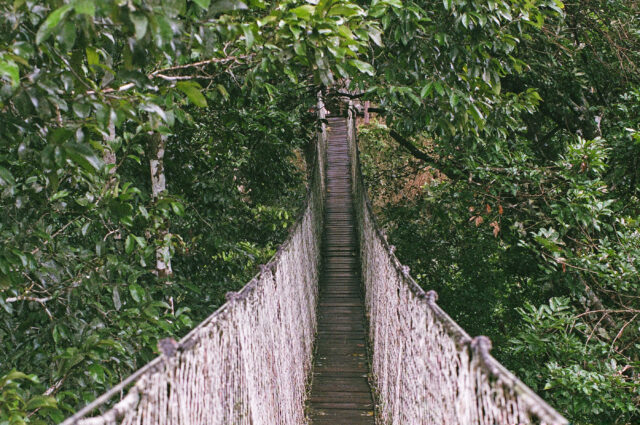
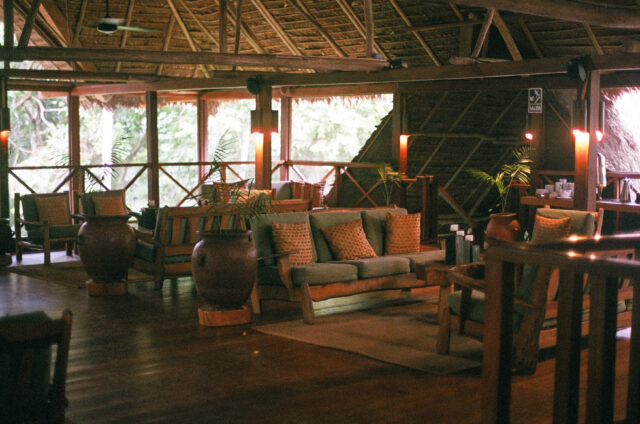
Our time at the ecolodge (a massive 439-acre private ecological reserve) unfolded slowly, my travel companion and I relishing the fact that internet was only available in the main house—so much so that we opted to disconnect entirely, temporarily forgoing all ties to our digital worlds. It was a much-needed reset.
“Quick! Come see,” Favio told our small group during an afternoon jungle walk, motioning toward a massive termite nest built into the side of a tree. “Put your hands here and let them crawl on you,” he told me, smiling and pointing to the sea of moving brown bits. Not a huge bug fan, I tried to keep an open mind. “Now rub your hands together and smell.” The scent reminded me of citronella. “It’s a natural repellent,” he explained. “The locals use it to deter mosquitos.” Having forgotten my own bug spray (admittedly a questionable move in the rainforest), it was a welcome and effective remedy that I rubbed all over my arms and legs before continuing down the trail.
We were incredibly well-fed and fueled for the early mornings and full days out in the jungle by an abundance of clean, local cuisine. Our favorite dish: a bright and refreshing cauliflower ceviche with ingredients sourced from nearby farms. At night, we fell asleep to the steady soundtrack of the jungle, and it was the deepest sleep we’d had all year.
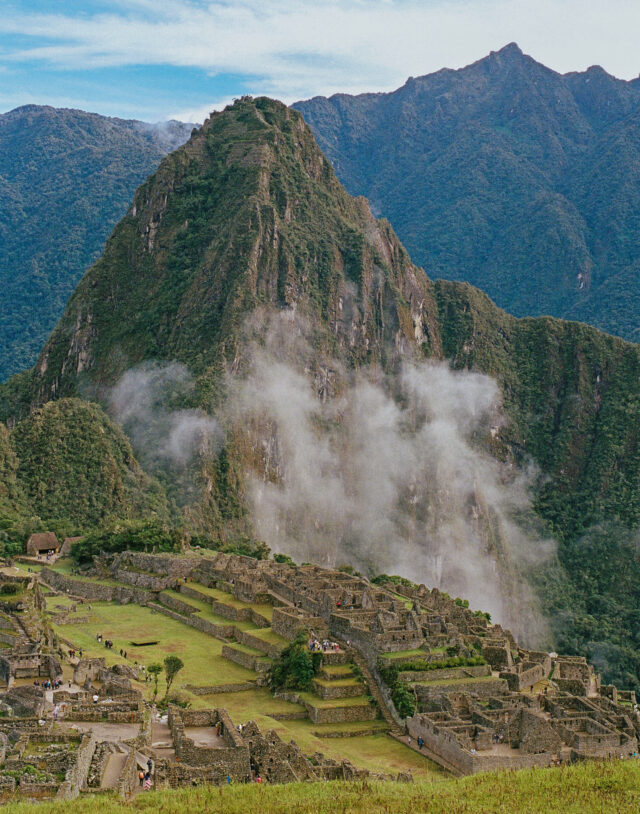
A 50-minute flight and arguably the most scenic train ride of our lives brought us to our first official wonder of the world: Machu Picchu. The ancient Inca citadel, completely abandoned for 600 years before its rediscovery in 1911, was absolutely teeming with life. Mist drifted through the surrounding cloud forest while the most vibrant fuchsia orchids and songbirds spilled out from every corner.
Machu Picchu itself was even more breathtaking than it ever appeared in pictures online—a true architectural masterpiece. “If you’re sensitive, you’ll notice that the energy here is different,” our guide Wilfredo told us as we scaled up the ancient granite steps. There’s a stillness there that’s difficult to articulate but easy to pick up on. A sense of awe seemed to settle across the faces of everyone walking through the site.
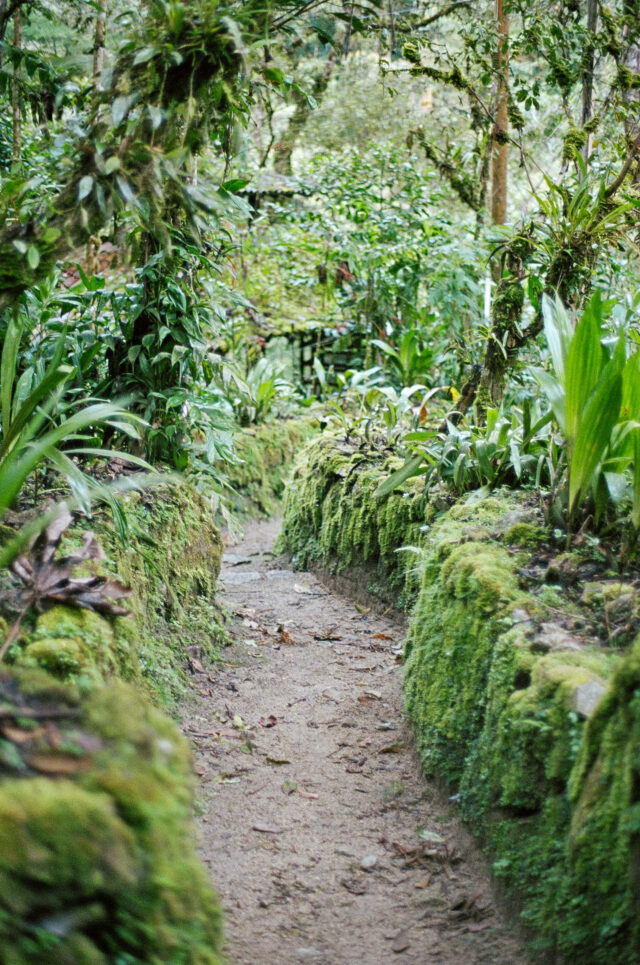
Back at the hotel, reached by a long wooden walkway suspended above a mountain stream, we recouped our tired legs in the private freshwater hot tub right outside our suite. Another standout feature of the property: the stunning network of perfectly lush, immaculately maintained trails, reminiscent of our time in the jungle. With more than 3 miles of private pathways winding throughout the mossy grounds, it was a tranquil escape from the busy tourist hub of Aguas Calientes. Home to 372 species of endemic orchids, 111 butterfly species and more than 200 bird species, it felt less like a hotel and more like a living, breathing wildlife sanctuary. Inkaterra’s conservation work here has become integral to preserving the surrounding cloud forest ecosystem, with ongoing research initiatives dedicated to native flora and fauna.
Dinner introduced us to ulluco, a brightly colored Andean tuber we had passed earlier that day in the hotel garden and asked our guide about. Earthy and nourishing, it’s traditionally used to support digestion and is incredibly rich in vitamin C.
On a twilight walk, our guide, Eric, emphasized the spiritual connection between the Andes and the natural world. “A simple walk through the forest is all it takes to reconnect with the earth,” he told us. Later, he pointed toward the surrounding mountains, explaining the Andean belief in Apus—sacred mountain spirits believed to protect the land and the people living alongside it. As we walked back to our room above the sound of the flowing river and distant birdsong, it was hard not to feel connected to that belief system.
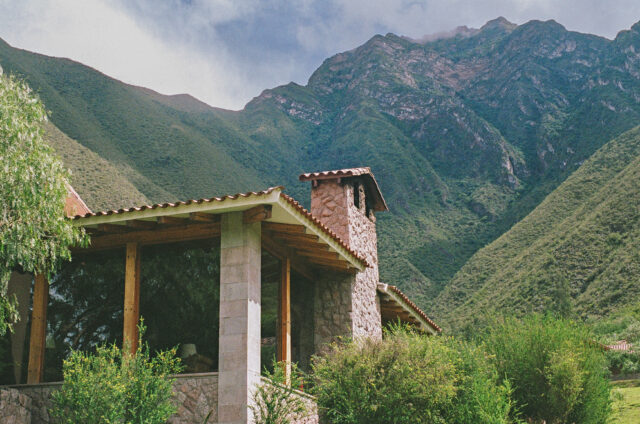
We hopped back aboard PeruRail for a final two-hour ride into the Sacred Valley, arriving at the property once nominated as one of the most Instagrammable hotels in the world. We immediately understood why. The hotel is completely surrounded by the jagged Andes—staggering, 360-degree mountain views in all possible directions. In Urubamba, the heart of the Sacred Valley, it’s an ideal base for exploring the archaeological sites and villages nearby, though honestly, we found ourselves wanting to stay put. The food alone was reason enough: Locally-foraged mushrooms topped with a perfectly poached egg and foam topped anything we had eaten in restaurants in major cities.
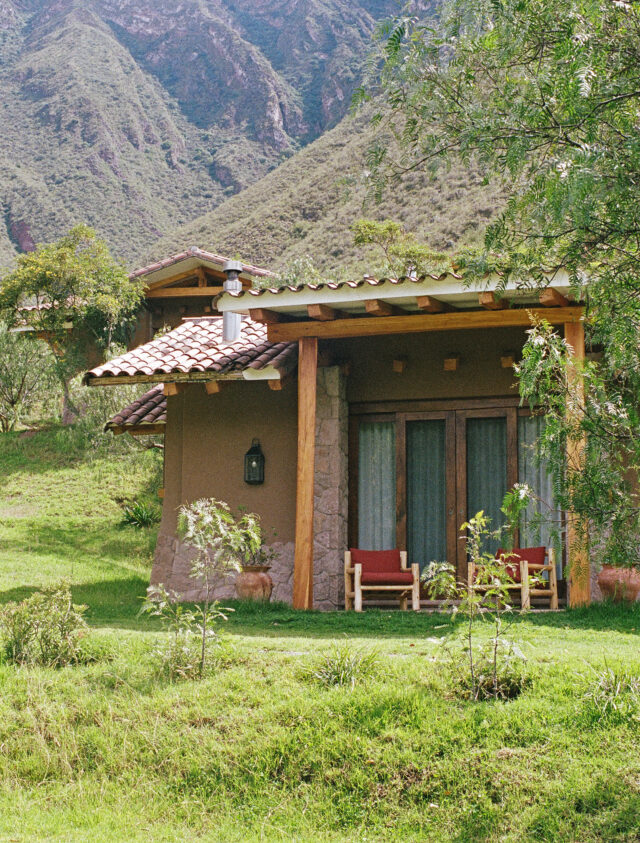
On 100 acres, sandwiched in between horse and cattle farms, the property feels endless. There was even a dedicated hiking trail on-site that we loved so much, we walked it three separate times. In the evenings, we sat outside staring up at constellations in near-total silence while learning about Incan cosmology during a twilight walk with our guide, Calixto.
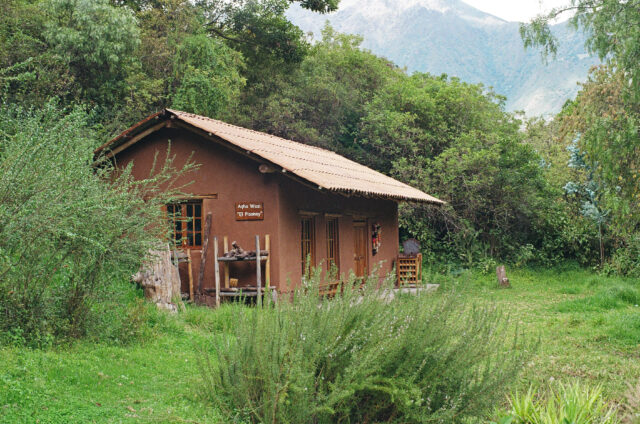
One highlight came on the final day of our time in the Sacred Valley, where we learned how to prepare and brew chicha de jora, a traditional, mildly alcoholic fermented beverage made from malted yellow corn. Historically used in ceremonies, it’s still enjoyed today during celebrations and in daily life throughout Peru. We took turns stone grinding the corn by hand and offering gratitude to the four cardinal directions before sipping the finished drink together. Later that afternoon, we wandered the nearby village where women sold fresh chicha directly from their homes and sampled a few.
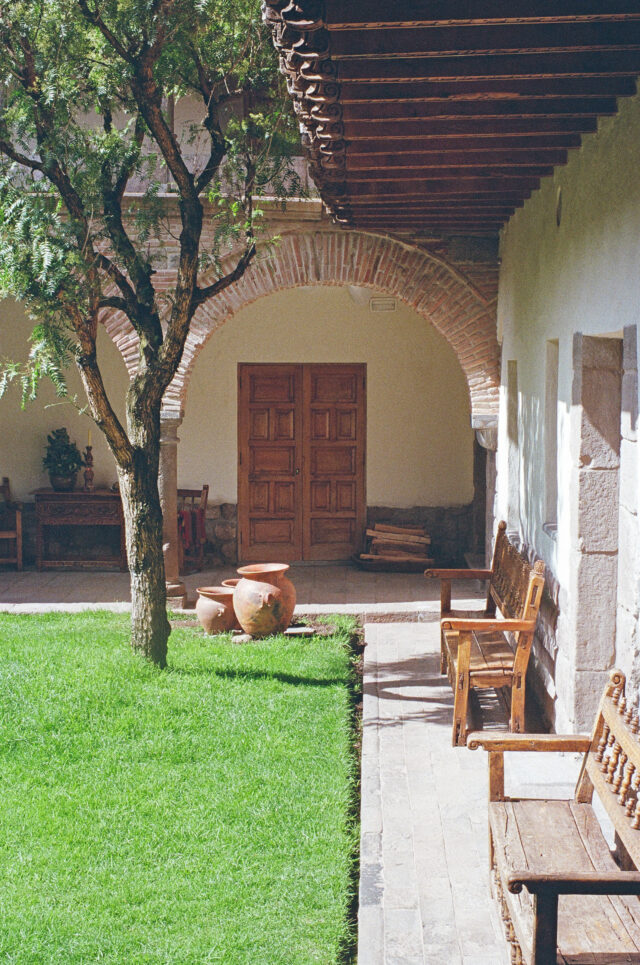
Little by little, we made our way back toward greater civilization until reaching our final destination: Cusco. Once the capital city of the vast Inca Empire, it is now a recognized UNESCO World Heritage Site and a living cultural center in the Andes. At more than 11,000 feet above sea level, a visit to Cusco is a physical adjustment, and Inkaterra anticipates this immediately. Upon arrival, we were offered a warm cup of muña tea—a delicious ancient Andean mint remedy for altitude sickness—which we graciously accepted. And for anyone struggling to adjust, oxygen tanks are at the ready.
The ornate grounds of the 16th-century colonial manor were the perfect final home base for urban exploration. Intimate and boutique-like, the property has just 11 suites arranged around a central courtyard. Located within the cobblestone Plaza de las Nazarenas, one of Cusco’s most historic parts, the manor sits atop a former Incan army training ground and later hosted figures such as Spanish conquistador Diego de Almagro and “El Libertador” Simón Bolívar, one of South America’s greatest heroes.
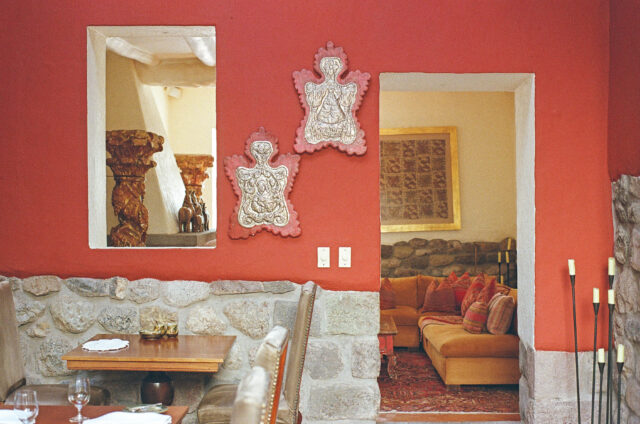
The atmosphere was all incredibly regal: a tasteful, old-world blend of Spanish colonial style and pre-Columbian textiles and artifacts. Art lovers would be in absolute heaven here, with original murals and intricate hand-painted details woven throughout the property’s walls and archways. The experience of staying at La Casona felt like that of being welcomed into someone’s home (albeit an impeccably-decorated home).
Here, as with the three previous properties, it’s all in the details. We loved taking advantage of the evening bubble bath drawing service after long days exploring nearby ruins and mountains, and the complimentary shoe-cleaning service felt like a particularly thoughtful touch after trekking through Cusco’s uneven cobblestone streets.
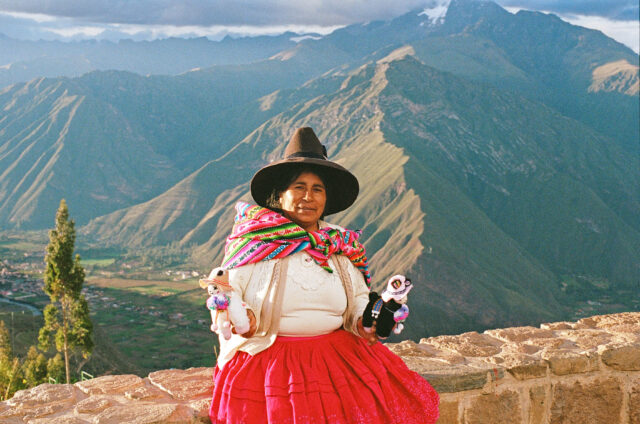
In only a week, we packed in what felt like a month’s worth of experiences, but not once did our itinerary feel rushed or burdensome. Inkaterra is definitely not new to the game—they’ve been doing this for 50 years now and it’s clear they’ve honed their craft, guiding their guests through journeys that feel meaningful, cohesive and intuitive. All the itineraries are well-paced, leaving space for travelers to genuinely engage with the places they visit rather than simply pass through them.
There are certain throughlines that define the Inkaterra experience: a communal midday pause for tea, guides whose breadth of knowledge feels both scientific and ancestral and a level of hospitality rooted in genuine reverence for place. We arrived in Peru open-minded, of course expecting the striking scenery, rich culture and no shortage of fluffy alpaca sightings, but returned home with something much more meaningful—the unexpected treat of having been guided through a country by people who clearly love and protect it.
Explore more in Mindful Travel at The Purist.
Never miss an issue—join The Purist community.