








By Jenna Lebovits
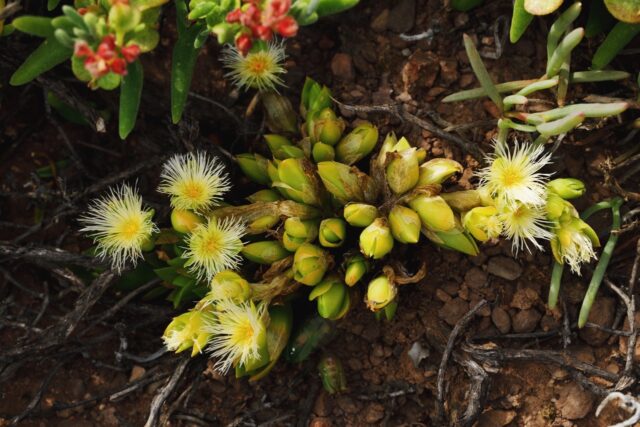
For thousands of years, kanna, a desert succulent native to South Africa and Namibia, has been used ceremonially and medicinally by the indigenous San and Khoi peoples to ease pain, elevate mood and boost stamina during lengthy hunts. Traditionally, the fermented plant, Sceletium tortuosum, was chewed, smoked or brewed into tea for its therapeutic properties. Today, the serotonin-modulating botanical is reemerging in the wellness world, microdosed in the form of tasty tinctures, chocolates and chewable supplements, praised by some as a gentler alternative to alcohol and other mood-altering substances.
I first became curious about kanna after hearing it touted as “nature’s MDMA” and a potential remedy for stress and anxiety. It’s an empathogen, so it can increase feelings of openness and connection, and the pitch was compelling: a natural substance that could help you feel more relaxed, social and grounded, all without dulling clarity or triggering that dreaded next-day “hangxiety.” I was intrigued. The list of supposed benefits goes on: kanna has also been described as a euphoriant, ergogenic, adaptogen, aphrodisiac, nootropic and hypnotic.
During a period of feeling a bit overstimulated and slightly disconnected from my body in that familiar way—mentally wired, a bit physically tired, and constantly “on”—I found myself searching for something that might help me shut off and unwind more deeply. Thanks to a well-targeted Instagram ad and punchy branding—who wouldn’t want to “feel yourself come alive?”—I began experimenting with KA! chews and tincture a few evenings a week, usually before outings with friends or after long workdays. Both contain microdoses of the plant, between 5 and 30 milligrams, along with the tingly spilanthes, or “toothache plant,” and other herbs like ginger root, sandalwood and chamomile that aid absorption and enhance the sensory experience.
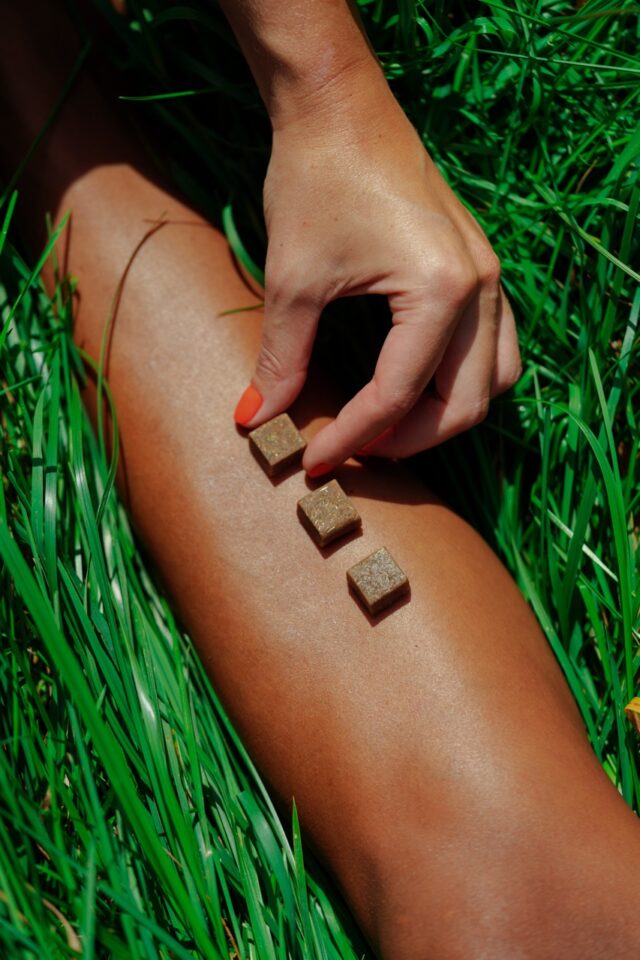
The initial effects weren’t dramatic or at all psychedelic, as I had expected. They came on more quietly. Within about 30 minutes, I noticed, ever so slightly, that my shoulders began to drop, my jaw lightly unclenched and my breathing slowed. It was a pleasant, grounded sensation of “dropping in,” similar to what I’ve felt toward the end of a really good yoga class. A few more days in, I noticed myself feeling a bit less emotionally reactive, less stuck in mental loops and, overall, just a bit more present in my body.
After a month of consistent dosing (KA! recommends a 30-day protocol for the full effects), what stood out most wasn’t a sense of outright euphoria or an overly buzzy, love-y feeling, but a steady sense of increased awareness: I noticed myself feeling slightly more patient with others and more aware of my thoughts. Conversations with friends and strangers alike felt a bit easier and more engaging, almost like I was more receptive to them. There was also a softening around my usual stress responses, especially at the end of a long workday. “Kanna turns mental noise down, and turns warmth, presence and connection up,” shares KA! founder Stephanie Wang. “We like to say kanna helps you feel yourself.”

There’s some emerging research that backs up the plant’s positive effects. Small studies suggest that kanna’s active alkaloids, mesembrine and mesembrenone, may interact with serotonin pathways and could play a role in supporting mood balance and emotional regulation. Because of this, it’s not recommended to take kanna with antidepressants, benzodiazepines or central nervous system depressants without consulting your doctor. “Otherwise, kanna is safe, sober, legal and non-addictive,” says Wang.
Two months in, what’s struck me most about kanna isn’t its intensity—because, at least at a microdose, it’s not intense at all—but its subtlety. In our current wellness world where so many of the rituals focus on talk of “optimization” and extremes, kanna offers a gentler approach, helping people feel just a bit more open, grounded and connected—to themselves and to each other.
Explore more in Wellness at The Purist.
Never miss an issue—join The Purist community.