







Walk into any upscale gym, spa or wellness clinic these days and you’ll find a menu that reads more like a luxury hotel’s than a doctor’s office: peptide injections, IV vitamin drips, infrared saunas, cold plunge tanks and red-light booths promising younger skin, more energy and revitalized mitochondria. The price tags can run from hundreds of dollars per session to tens of thousands for a “longevity package.”
I get the appeal. Who doesn’t want to step into a booth for 20 minutes and step out looking and feeling 10 years younger? But the bigger question is whether these futuristic-seeming interventions actually improve longevity and health, or whether they mostly make us feel pampered, proactive and temporarily health-conscious. Are the antiaging benefits real, or are they just hype dressed up to look high-tech? When you’re worried about aging well (and who over 40 isn’t these days?), it’s tempting to believe that spending more means doing more for your health.
But is it true? After years of study and advanced training in integrative and antiaging medicine, I’ve learned a lot about what moves the needle when it comes to healthy aging. Let’s break it down by looking at some popular longevity interventions and whether or not they will really make any difference in how long or how well you live.
Peptide Injections: Promising in Theory, Unproven in People
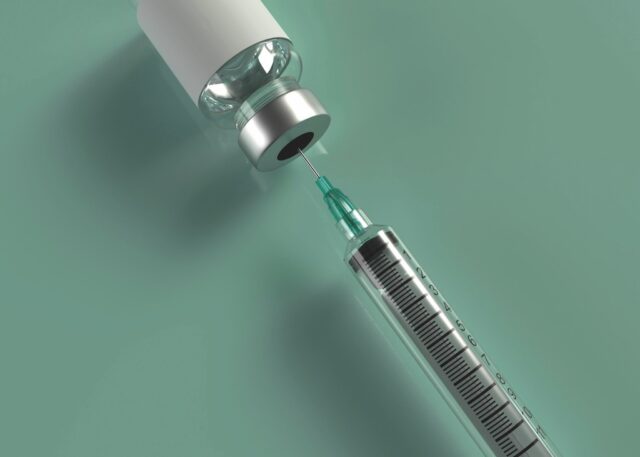
Peptides are all over the news because the FDA has recently loosened restrictions on them, in an effort to curb “black market” sellers offering potentially hazardous products. But there is still a lot we don’t know about peptides like BPC-157 for healing (BPC stands for “body protection compound”), TB-500 for injury recovery and anti-inflammatory effects, and Epitalon, a synthetic peptide derived from an extract of pineal glands from cows for lengthening telomeres, the tips of chromosomes, which allegedly lengthens lifespan.
Peptides like these and many others have become darlings of the biohacking world, but as tempting as they may sound, they have mostly only been tested in cell cultures and animals, not on people. Because of this, most of them are currently considered legal for research use only. But that doesn’t stop people from wanting to try them. Yet, as aging researchers have pointed out, treatments that work in cell cultures, fruit flies or nematode worms don’t necessarily translate to people. They might do something, or nothing, or they might even be harmful. We just don’t know enough yet.
The FDA hasn’t approved these compounds for antiaging use, and roughly two dozen sit on the agency’s “unsafe” list. The reasons are worrisome. Because most of these peptides encourage cell regeneration, there’s legitimate concern about whether they could also encourage the growth of cancer cells. Also, unregulated sources have been tested and shown to be adulterated with ingredients that may or may not mix safely. Until we have real human trials and trustworthy sources, I’d say that while peptides might eventually move the needle, they are not worth the risk of potentially accelerating aging.
(Note: GLP-1 drugs like semaglutide and tirzepatide have been widely studied in humans, so while these are also peptides, there is more evidence that they are beneficial for metabolic health. That being said, this only applies to the brand-name versions. There are more risks associated with cheaper compounded versions.)
Vitamin Infusions: Expensive, and Mostly Unnecessary if You’re Not Deficient
IV vitamin therapy (the “Myers’ cocktail” and its many trendy descendants) has become a wellness staple, marketed as an instant energy and immunity boost. But do they really help? They might be an efficient way to restore your nutrient status. If you are dehydrated, IV fluids and electrolytes can quickly get you back in line.
However, the evidence for any longevity benefit is essentially nil. In 2018, the Federal Trade Commission took action against a company that had been claiming these infusions could help treat conditions like cancer and multiple sclerosis. These claims had no credible scientific backing. And there are risks, like electrolyte imbalances, infection at the injection site, and in rare cases, serious complications. If your diet is doing its job and you are drinking enough water, your kidneys are already filtering out the water-soluble vitamins you don’t need. Depending on your goals, vitamin infusions might move the needle a little bit, but probably will not affect your longevity.

Cold Plunges: Short-Term Effects
Cold water immersion is an interesting idea. There is some legitimate research behind it, although longevity in particular is not one of the proven benefits. A recent systematic review found modest short-term improvements in stress and sick-day frequency, but those benefits showed up hours later, not immediately, and quality-of-life gains faded within a few months.
Interestingly, inflammation markers actually rose immediately after cold exposure, the opposite of what a lot of marketing claims suggest. If you’re strength training, timing matters: Cold plunging within about four hours of a workout may blunt the very muscle-building signals you’re trying to trigger, so they may be counterproductive, even if they feel invigorating. On the other hand, some people report deep relaxation and mental clarity after cold plunges. Bottom line, this probably won’t move the needle as a longevity intervention, but it can be an enjoyable quality-of-life intervention.
Red-Light Therapy: Mostly Still a Hypothesis
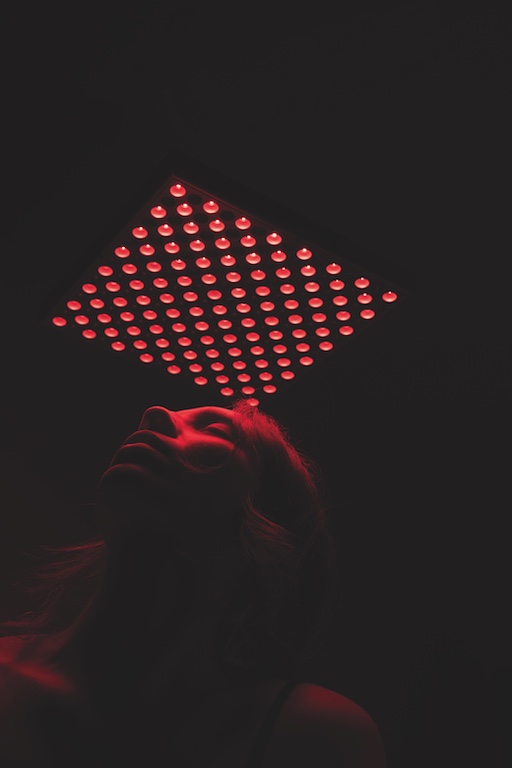
Photobiomodulation (those light panels promising smoother skin, faster recovery and reduced inflammation) is having a major cultural moment. You can find red-light booths at gyms and spas, and buy red (and other color) light masks for home use. The ones dermatologists say actually make a difference usually cost well into the hundreds of dollars, so are they worth it?
The evidence is scant. Most of the supportive studies are small, unblinded, conducted in animals, or limited to cells in a dish rather than living humans. So why do some say that red light has helped with their acne, eczema, or fine lines and wrinkles? If you want to try it, it’s not going to hurt you, and it might make a difference in how your skin looks, but it probably won’t make any difference in your health or longevity.
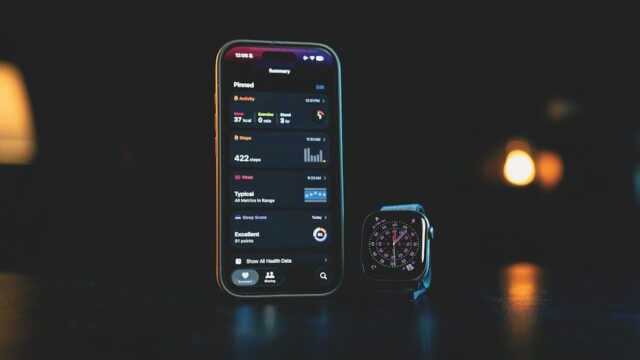
Sleep Tracking: Useful Data, Risky Obsession
This one is a little different, since it’s a monitoring tool rather than a treatment, but it deserves a mention given how much money and mental energy goes into “optimizing” those numbers so many pore over each morning.
Consumer wearables are decent at detecting when you fall asleep, but they’re notably worse at identifying wakefulness and distinguishing real sleep stages, compared to the gold-standard measurement, polysomnography, in a sleep lab. Just because your watch, band or ring tells you that you only got 20 minutes of deep sleep doesn’t mean it’s true.
Yet, it feels true, when you look at charts and graphs and numbers, and that can be seductive—or addictive. In fact, there’s a name for the new downside of sleep tracking: orthosomnia, an unhealthy fixation on hitting a “perfect” sleep score that can, in and of itself, cause anxiety and insomnia.
My advice: Use your tracker for long-term trends, not as a nightly verdict. Sleep trackers only move the needle if they help you to get more sleep, but not if they worry you into insomnia. What really moves the needle for healthier aging? Seven or eight good solid hours of sleep on most nights.
The Free Stuff: Legitimately Life-Extending
So if good sleep really does move the needle, what else does? Here’s the part of this article I most want you to remember: The interventions with the strongest, most consistent evidence for actual mortality reduction, healthier aging and lower risk of chronic disease cost little to nothing:
Walking: A lot of research supports longer life at around 4,000 steps a day, with roughly a 15 percent reduction in mortality risk for every additional 1,000 steps, and the biggest gains showing up past 6,000 to 7,000 steps. You don’t need 10,000 steps and a fancy watch to benefit; you just need to walk more, especially if you sit for most of the day, like so many of us do.
Strength training: A study of 216,000 older adults for roughly 15 years showed that any regular weight training was associated with a 6 percent lower risk of all-cause mortality, with even larger benefits (12 percent reduction) for women. The effect was strongest when resistance training was paired with aerobic activity, and meaningful benefit showed up even at modest, non-heroic doses. You don’t need to become a powerlifter or a long-distance runner (or walker). You just need to get moving and lift something heavy on a regular basis. What you do over time matters most.
Mediterranean-style eating: There is a huge body of research, including one of the largest dietary intervention studies ever conducted, that have found a Mediterranean diet to be effective at reducing a wide range of chronic diseases, especially cardiovascular disease. Basically, eat real food—especially lots of vegetables and seafood.
Connecting. Social connection appears in many studies to be even more closely correlated with health and longevity than quitting smoking, improving diet or exercising. So reach out. Find your people. And nurture those relationships. You’ll live longer and be happier, too.
So yes, some longevity interventions can be interesting, feel-good and even fun. But consistent basic health habits, practiced over years, are what really move the needle. Then you can consider whether you want to try that cold plunge. drstaciestephenson.com
Explore more in Wellness at The Purist.
Never miss an issue—join The Purist community.