







By Lauren Willett
For over two decades, Vani Hari has been asking a question that has changed the way millions of Americans think about food: What is really in the ingredients we’re eating? Known to many as the Food Babe, the New York Times bestselling author and food activist has made a career of investigating the American food supply, challenging major food corporations and encouraging consumers to look more closely at what goes into their grocery carts.
Through her platform, FoodBabe, Hari has rallied consumers around ingredient transparency, and influenced companies like Kraft, Subway and Starbucks to reconsider their formulations. She is also the co-founder of Truvani, an organic food and wellness brand, and the author of four bestselling books exploring the relationship between food, health and informed consumer choices.
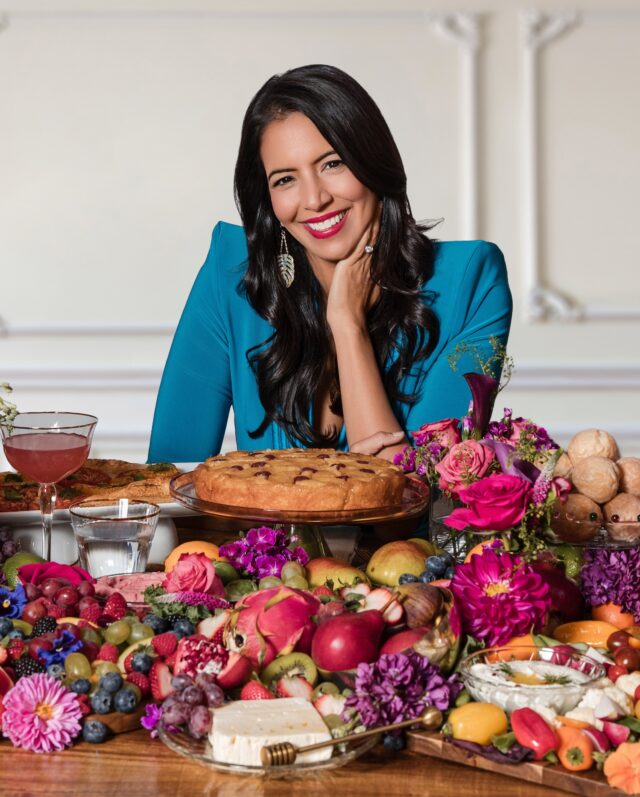
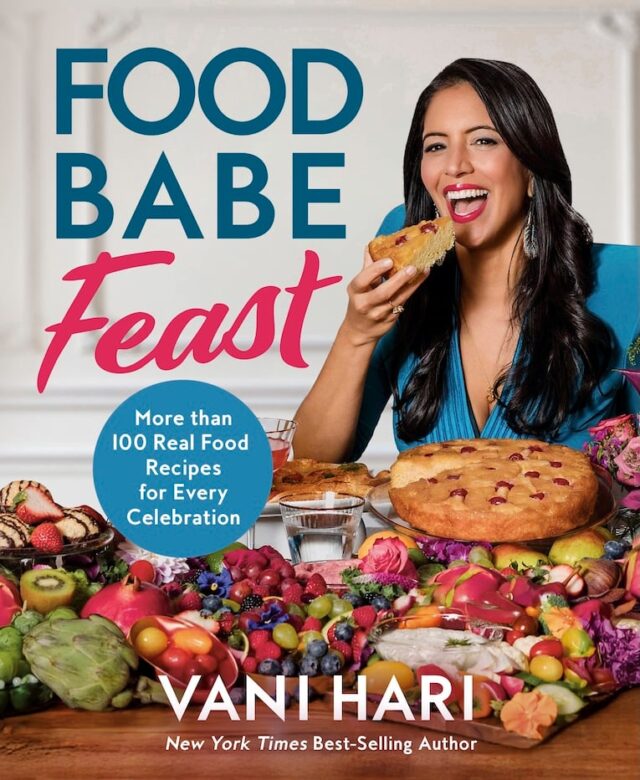
Now, with her latest cookbook, Food Babe Feast, Hari is bringing the conversation back to the kitchen. Inspired by the meals and family traditions that make food so meaningful, the book shows that eating thoughtfully doesn’t have to mean giving up the dishes we love. From holiday favorites to homemade treats, Hari makes the case for reclaiming the joy of cooking with ingredients we can feel good about.
 PURIST: Your journey began with your own health challenges and a desire to understand what you were eating. How did that experience fundamentally change your philosophy about food, health and the way you live?
VANI HARI: Over 20 years ago, I found myself lying in a hospital bed during the holiday season. I was sick, overweight and depressed, and I knew something had to change. Right there, I made a promise to myself that my health would come first. I started researching what I was eating and was shocked to discover how many artificial additives and chemicals were hiding in all the food I was eating. I realized I had given processed food companies control over what went into my body, and I wanted that control back. I taught myself how to cook with real ingredients, and everything changed. My health improved dramatically, I lost weight, went off nine prescription drugs and I had more energy than ever before. That experience completely changed how I view food. I began seeing it as one of the most powerful tools we have to take control of our health. It also inspired me to start FoodBabe.com and eventually dedicate my life to exposing what’s really in our food and helping others make better choices.
You grew up in an Indian immigrant household but have spoken about initially gravitating toward processed American foods. How has your relationship with your cultural heritage and the foods you grew up with evolved?
Both of my parents immigrated to the United States from Punjab in northern India before I was born. Growing up, I experienced two very different food cultures. My mother prepared fresh, homemade Indian food, but I was drawn to the typical American diet of fast food, soda and processed foods. I wanted to fit in with my friends at school and eat what they were eating. At the time, I didn’t appreciate how fortunate I was to have a mother who cooked real food from scratch! It wasn’t until I got older and started investigating what was actually in the majority of food sold in this country that I realized how valuable those traditions were.
You often describe food as medicine. What does that philosophy mean to you beyond nutrition, and how does it influence your daily rituals?
I’ve always believed that what we put in and on our bodies affects our health. And that goes way beyond food! I work out every morning, try to make time for yoga and meditation, and love playing tennis and being outside with my kids. I’m also really careful about the products I use on my skin and what I bring into our home. I pay attention to everything from food packaging to laundry detergent and cleaning products because I don’t want my family exposed to unnecessary chemicals if I can avoid them. I can’t control everything we’re exposed to, but I do my best to make healthier choices wherever I can.
We’re surrounded by conflicting information about what’s healthy. What are the three most important things you believe people should consider when choosing what to eat?
I have something I call the Three Question Detox. It’s three simple questions I encourage everyone to ask themselves every time they sit down to eat. First, what are the ingredients? If you don’t know what’s in your food, find out! Read the label, ask the restaurant and look up anything you don’t recognize. Second, are these ingredients nutritious? So many additives in processed foods are there to improve texture, extend shelf life or increase profits for food companies, not to benefit our health. And third, where do these ingredients come from? How was the food grown or raised? Was it produced in a factory or grown on a farm? When you start asking yourself these three questions, you learn so much about what you’re eating, and you naturally start making better choices. You don’t need a degree in nutrition to take control of your health!
You’ve long advocated for understanding not just what’s in our food, but where it comes from. How do you see the connection between personal health, food sourcing and the health of our planet?
Our food system has become so dependent on toxic chemicals like glyphosate and the widespread use of antibiotics in animal agriculture. These substances don’t just stay on the farm. Pesticides contaminate our soil and water, and residues of glyphosate, which has been linked to cancer, have been found in the food we eat. Antibiotics used in livestock production can also end up in our food and environment, contributing to the growing problem of antibiotic resistance. We need to move away from this toxic agricultural system, and that’s one of the biggest reasons I’m such a strong advocate for choosing organic whenever possible. Organic isn’t perfect, but it’s one of the best ways consumers can avoid foods grown with synthetic pesticides or produced using routine antibiotics or added hormones. Organic standards also prohibit many questionable additives in packaged foods. When we choose organic, we’re not just protecting our own families. We’re supporting a food system that’s better for our health, our farmers and the planet.
Your new cookbook, Food Babe Feast, marks an evolution from telling people what to avoid to showing them what they can enjoy. What inspired this shift?
I’ve spent years investigating ultra-processed food and exposing the questionable ingredients food companies are putting into their products. But I also want people to know that eating real food doesn’t mean giving up all the delicious foods you love! For years, I’ve been figuring out how to recreate my favorite foods from parties, holidays, and celebrations using real ingredients instead of the artificial additives found in so many store-bought versions. When there’s something I really want to eat, I don’t deprive myself. I recreate it at home with ingredients that I choose. And trust me, I still indulge! That’s really what inspired Food Babe Feast. I want to show people how easy it can be to make incredible food at home, enjoy all their favorite traditions, and have fun doing it.
You believe we shouldn’t have to sacrifice the foods, celebrations and traditions we love in order to eat well. How do you reconcile indulgence and pleasure with your commitment to thoughtful ingredients?
I don’t believe you have to choose between eating healthy and enjoying your food! Some of my favorite memories are centered around food, whether it’s a birthday cake, Thanksgiving dinner, or special treats during the holidays. I want my kids to experience all of that, too. The problem isn’t the birthday cake. It’s the ingredients in that birthday cake! Food companies have filled so many of these traditional foods with artificial dyes, preservatives, and other unnecessary additives. But those ingredients aren’t what make the food taste good! You can make an amazing birthday cake, gooey cinnamon rolls, or delicious holiday cookies with real ingredients, and nobody feels like they’re missing out. That’s how I approach indulgence. I still eat the foods I love, but I make them with ingredients I feel good about serving my family. And that’s what I want people to experience with the recipes in my new cookbook, Food Babe Feast.
You’ve spoken about how food companies have commercialized nostalgia and even family traditions. What does it mean to reclaim those traditions through cooking?
Food companies have done an incredible job of making us associate their products with our happiest memories. For example, we grew up with certain candies at Halloween, boxed stuffing at Thanksgiving, and packaged treats at Christmas. We start believing those products are part of the tradition, when really, they’re just products that food companies have marketed to us for generations. But when I think back on my favorite holiday memories, it’s not the brand of stuffing or candy that made those moments special. It’s the people, the time we spent cooking together and the memories we made. That’s what I want families to hold on to. We can still enjoy all those familiar foods and traditions without letting food companies dictate what ingredients we’re feeding our families.
As a mother, how do you teach your children to make thoughtful food choices without creating fear, guilt or anxiety around eating?
My kids have grown up in a pretty unique environment because of the work I do investigating food and ingredients. I’ve always been honest with them about what’s in our food. From the time they were babies, I’ve fed them real, whole foods, so that’s what they’re used to. Now that they’re older and can read, they’re actually reading ingredient labels themselves and asking questions! But it’s becoming more challenging as they get older and their friends have more influence. I want to teach them how to take care of themselves and make good decisions, but I also want them to enjoy life! We have plenty of treats in our house, including better versions of the snacks and sweets other kids enjoy. My goal isn’t to make them afraid of food. It’s to teach them the truth about ingredients and give them the knowledge to make their own choices as they grow up.
After years of investigating ingredients, advocating for change and now helping families rediscover the joy of cooking, how has your own definition of wellness evolved, and what do you hope your children will carry forward from your philosophy?
When I started this journey over 20 years ago, I was focused on getting my own health back. I had no idea it would turn into a mission to change the food industry! Over the years, I’ve realized just how much our health is influenced by the choices food companies make, how our food is grown and the ingredients we’re exposed to every day. I’ve spent years fighting to get harmful ingredients out of our food supply, but I also want to empower people to take control of what they’re eating instead of waiting for food companies to change. That’s also why I wrote Food Babe Feast. I want families to feel empowered to make their favorite foods with real ingredients instead of depending on what food companies sell us. As for my children, I hope they’ll always question what they’re being told, especially when it comes to their health. I want them to know they have choices and that they don’t have to blindly trust what food companies put on the shelves. Most importantly, I hope they’ll continue to love real food, enjoy cooking and pass those traditions on to their own families someday.
Explore more in Wellness at Purist
Never miss an issue—join the Purist community