








By Chris Mohr
“That’s the greatest sound in sports,” my opponent exclaimed, as I opened a fresh can of US Open Extra Duty tennis balls before our match.
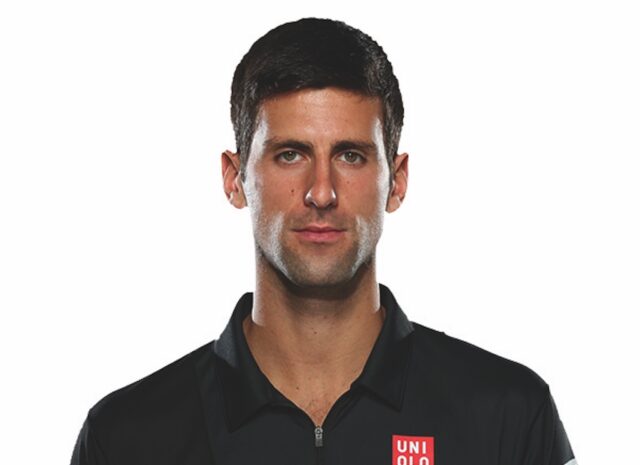
Admittedly, my teammates and I are nowhere near the skill level of the players descending on New York City in early September for the US Open—household names like Jannik Sinner, Carlos Alcaraz, Novak Djokovic and Aryna Sabalenka, alongside Americans Jessica Pegula, Coco Gauff, Ben Shelton and Frances Tiafoe, all competing for the 2026 title. But that gap doesn’t stop millions of us from watching in awe. And whether we’re courtside or on the couch, it doesn’t change our own effort, enjoyment or the benefits we get from playing the sport ourselves.
Truth be told, all exercise is fantastic for you; it’s essentially a cheat code for longevity. But some ways of moving your body might give you an even bigger boost than others, according to science. Lifetime sports, such as tennis, have been linked with lower risks of cardiovascular disease, obesity and depression. More specifically, a study out of Denmark found that tennis players live 9.7 years longer than their sedentary peers.
Yet this doesn’t mean you need to restring your favorite racket, lace up your Italian Diadora tennis shoes and attempt to prepare yourself for the US Open. Leave that to the pros who will be converging on the famed USTA Billie Jean King National Tennis Center when fans globally look to see who will rise to the occasion and hoist the singles and doubles trophies for the world to see.
The benefits extend beyond pro tennis players. Let’s look at the benefits for those simply playing on their own local USTA tennis teams, like me.
Sports psychologist Angus Mugford, Ph.D., managing director of athlete performance and operations at United States Tennis Association headquarters, suggests, “For starters, tennis delivers an unusually high return on time and effort. It delivers something many workouts don’t: integrated, whole-body fitness including sprints, stops, rotation, full body extension and reach and socialization. The weight-bearing nature of the sport is also effective at improving muscle strength and bone density.”
The other piece, outside of the physical nature of the sport itself? Tennis, a sport that can be played for a lifetime, is social by nature and can bring people together through growing communities. And it’s really a mental chess match, causing the brain to work hard by visually tracking the ball, thinking quickly on your feet and testing hand-eye coordination.
Joe Dowdell, senior director of human performance at House 120 in NYC, concurs. Dowdell has worked with Olympic and pro athletes across many sports, and notes tennis is as challenging as any. “The unique combination and motion of starting, stopping, fast sprints, changing direction, ball control and placement all make tennis challenging in positive ways,” he says. “Of course, the matches can also last for many hours in the heat, adding unique elements to the game and athletes themselves.”
Bottom line: Don’t panic if tennis isn’t your thing. It doesn’t have to be tennis. There are many other racket sports continuing to grow in popularity, like pickleball and padel. Go smash it.
Leading Men on the New York Stage




Leading Women on the New York Stage





Explore more in Fitness at The Purist.
Never miss an issue—join The Purist community.